


Files
Download Full Text (644 KB)
Description
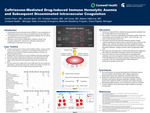
Drug-induced immune hemolytic anemia (DIIHA) is a rare but severe reaction in which drug-dependent antibodies rapidly destroy red blood cells, causing illness that can progress to fulminant, life-threatening shock. Ceftriaxone is among the antibiotics most frequently implicated and has been associated with abrupt deterioration and death despite its widespread use as a broad-spectrum agent. This report describes ceftriaxone-induced DIIHA complicated by disseminated intravascular coagulation (DIC) in an older adult, highlighting the catastrophic potential of this reaction in the emergency setting.
A 78-year-old woman with type 2 diabetes mellitus presented to a rural emergency department with acute drowsiness, vomiting, abdominal pain, and transient neurologic deficits, prompting a stroke code. Initial imaging, including CT head, CT angiography, and CT perfusion, was unremarkable, while CT chest showed mild interstitial changes concerning for pneumonia, and she was started on ceftriaxone and azithromycin. Within 30 minutes of ceftriaxone administration, she developed sudden hypotension, tachycardia, pallor, and a hemoglobin drop from 11.9 g/dL to 7.1 g/dL, consistent with acute hemolysis.
This case shows that ceftriaxone induced DIIHA can cause abrupt, catastrophic hemolysis with rapid progression to DIC and death within hours, even in patients who previously tolerated the drug. Clinicians should suspect DIIHA in patients who develop sudden anemia, hemodynamic instability, or coagulopathy shortly after antibiotic exposure and promptly discontinue the suspected agent while coordinating urgent serologic evaluation. Greater awareness, systematic reporting, and further research are needed to refine diagnostic and management strategies.
Publication Date
5-8-2026
Disciplines
Emergency Medicine
Recommended Citation
Pham H, Bach J, Kolacki C, Jones J, DeBruine N. Ceftriaxone-induced immune hemolytic anemia and subsequent disseminated intravascular coagulation: A case report. Presented at: Research Day Corewell Health West; 2026 May 8; Grand Rapids, MI.
Comments
2026 Research Day Corewell Health West, Grand Rapids, MI, May 8, 2026. Abstract 1952