


Files
Download Full Text (513 KB)
Description
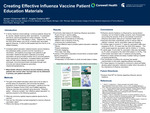
Influenza vaccination rates continue to fall below public health goals in the United States; however, the beliefs that influence influenza vaccine hesitancy among patients who receive other vaccines remain insufficiently addressed in primary care patient education.
Here, a literature search was conducted using the Center for Disease Control and Prevention and PubMed resources to develop an easy to provide education material for physicians that addresses common reasons for vaccine refusal, considerations for population health literacy and optimized presentation of information to encourage vaccination. Search terms included "influenza safety", "influenza mortality" and "effective patient education".
Common reasons for influenza vaccine refusal included lack of trust in vaccine safety, belief that the vaccine is ineffective, inadequate education regarding the severity of the flu and the perception that vaccines are politically motivated. Patient education materials effectiveness were linked to their brevity, visual appeal and focus on one clear main idea. Universal health literacy precautions emphasized presenting information in small, concrete steps and avoiding medical jargon when possible.
Influenza continues to contribute to preventable mortality in the United States each year. Despite the proven effectiveness of the influenza vaccine, vaccination rates continue to decline. For these reasons, it is important to continue to utilize and further develop patient education materials to better inform the public about the importance of influenza vaccination.
Publication Date
5-8-2026
Disciplines
Family Medicine
Recommended Citation
Vickerman J, Oostema A. Creating effective influenza vaccine patient education materials. Presented at: Research Day Corewell Health West; 2026 May 8; Grand Rapids, MI.
Comments
2026 Research Day Corewell Health West, Grand Rapids, MI, May 8, 2026. Abstract 2089