


-
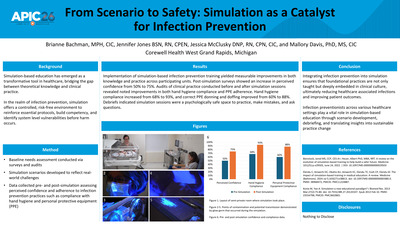
From Scenario to Safety: Simulation as a Catalyst for Infection Prevention
Brianne M. Bachman, Jennifer E. Jones, Jessica L. McClusky, and Mallory Davis
Publication Date: 6-16-2026
Simulation-based education has emerged as a transformative tool in healthcare, bridging the gap between theoretical knowledge and clinical practice.
In the realm of infection prevention, simulation offers a controlled, risk-free environment to reinforce essential protocols, build competency, and identify system level vulnerabilities before harm occurs.
-
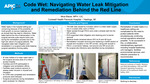
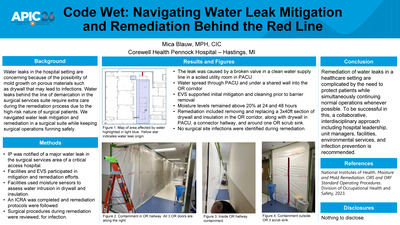
Code Wet: Navigating Water Leak Mitigation and Remediation Behind the Red Line
Mica Blauw
Publication Date: 6-15-2026
Water leaks in the hospital setting are concerning because of the possibility of mold growthon porous materials such asdrywallthatmaylead toinfections. Water leaksbehind the line of demarcation in the surgical services suiterequire extra care during the remediation processdue to the high-risk nature of surgical patients. We navigated water leakmitigation and remediation in a surgical suite while keeping surgical operations funning safely.
-
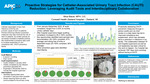
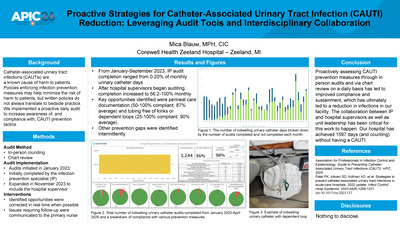
Proactive Strategies for Catheter-Associated Urinary Tract Infection (CAUTI) Reduction: Leveraging Audit Tools and Interdisciplinary Collaboration
Mica Blauw
Publication Date: 6-15-2026
Catheter-associated urinary tract infections (CAUTIs) are a known cause of harm to patients. Policies enforcing infection prevention measures may help minimize the risk of harm to patients, but written policies do not always translate to bedside practice. We implemented a proactive daily audit to increase awareness of, and compliance with, CAUTI prevention tactics.
-
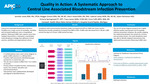
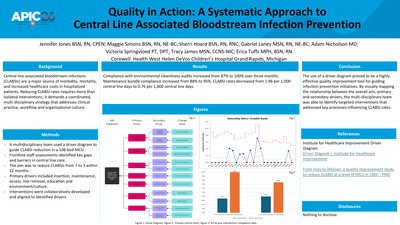
Quality in Action: A Systematic Approach to Central Line Associated Bloodstream Infection Prevention
Jennifer E. Jones, Maggie Simons, Sherri Hoard, Gabriel Laney, Adam Nicholson, Victoria Springvloed, Tracy James, and Erica Tuffs
Publication Date: 6-16-2026
Central line associated bloodstream infections (CLABSIs) are a major source of morbidity, mortality, and increased healthcare costs in hospitalized patients. Reducing CLABSI rates requires more than isolated interventions; it demands a coordinated, multi-disciplinary strategy that addresses clinical practice, workflow and organizational culture.
-
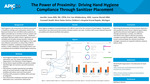
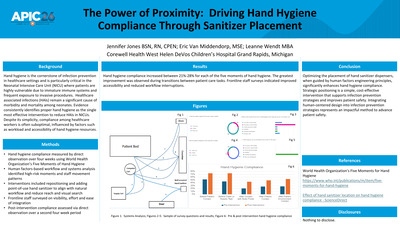
The Power of Proximity: Driving Hand Hygiene Compliance Through Sanitizer Placement
Jennifer E. Jones, Eric Van Middendorp, and Leanne Wendt
Publication Date: 6-16-2026
Hand hygiene is the cornerstone of infection prevention in healthcare settings and is particularly critical in the Neonatal Intensive Care Unit (NICU) where patients are highly vulnerable due to immature immune systems and frequent exposure to invasive procedures. Healthcare associated infections (HAIs) remain a significant cause of morbidity and mortality among neonates. Evidence consistently identifies proper hand hygiene as the single most effective intervention to reduce HAIs in NICUs. Despite its simplicity, compliance among healthcare workers is often suboptimal, influenced by factors such as workload and accessibility of hand hygiene resources.
-
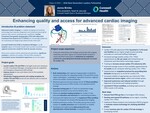
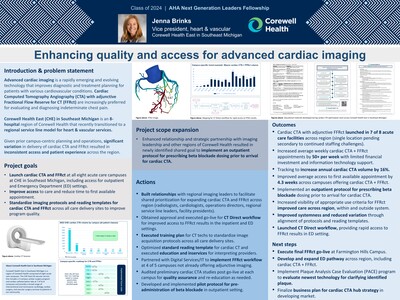
Enhancing Quality and Access for Advanced Cardiac Imaging
Jenna Brinks
Publication Date: 2024
Advanced cardiac imaging is a rapidly emerging and evolving technology that improves diagnostic and treatment planning for patients with various cardiovascular conditions. Cardiac Computed Tomography Angiography (CTA) with adjunctive Fractional Flow Reserve for CT (FFRct) are increasingly preferred for evaluating and diagnosing indeterminate chest pain.
Corewell Health East (CHE) in Southeast Michigan is an 8- hospital region of Corewell Health that recently transitioned to a regional service line model for heart & vascular services.
Given prior campus-centric planning and operations, significant variation in delivery of cardiac CTA and FFRct resulted in inconsistent access and patient experience across the region.
Printing is not supported at the primary Gallery Thumbnail page. Please first navigate to a specific Image before printing.